


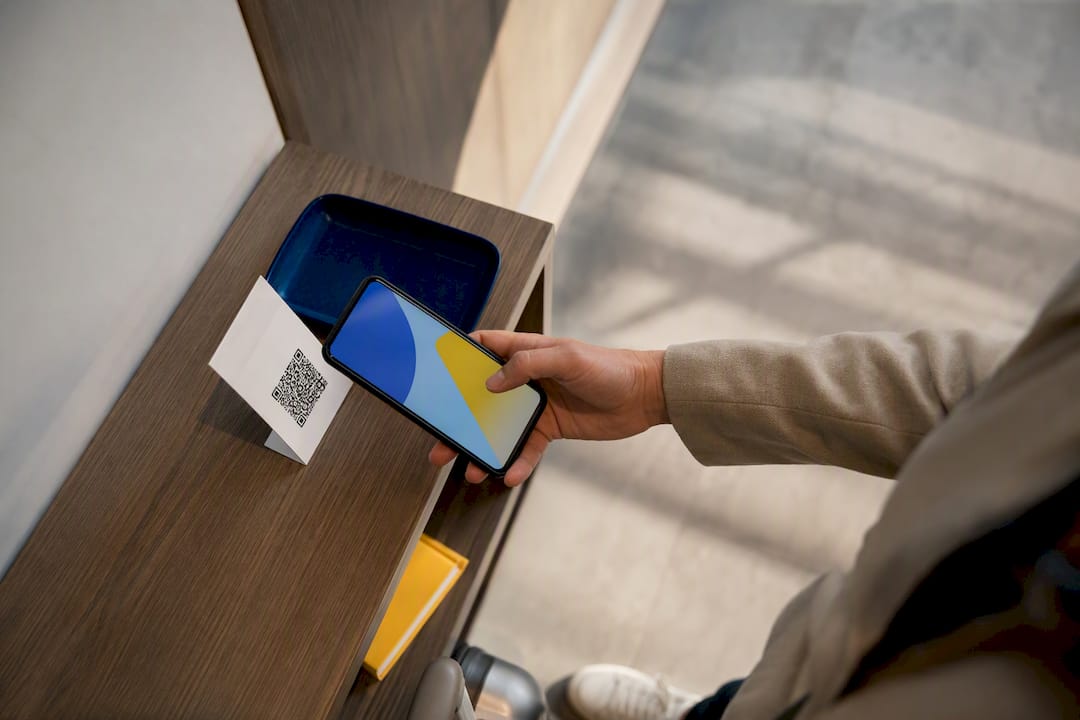
You can’t stop every bad review, but you can intercept most complaint impulses before they turn public. Start with three moves: open a private feedback channel, reply briefly and professionally to any negative review already live, and run a 7-day audit to find what keeps triggering complaints. Fix that root cause, and the reviews slow down on their own.
TL;DR:
- Address negative reviews with a private feedback channel that captures complaints early, reducing the likelihood of public escalation.
- Respond publicly within 24 to 48 hours with a brief acknowledgment and an invitation to resolve issues privately, avoiding defensive language.
- Use quick, specific replies to reviews, adding a personalized detail and always prompting a private conversation to fix the root cause.
- Run weekly audits of negative reviews to identify common issues, then implement targeted operational fixes like staff training or process improvements.
- Monitor review patterns for suspicious activity, such as multiple reviews from accounts with no history, and escalate to platform support when necessary.
Table of Contents
- Immediate Checklist: Triage and Stop Escalation in the Next 24 to 72 Hours
- Intercept Complaints Before They Go Public With a Private Feedback Channel
- How Should You Respond Publicly to a Negative Review?
- Fix Root Causes: Turn Review Intelligence Into Operational Improvements
- How Do You Ask for Reviews Without Triggering Platform Suppression?
- Monitoring and Lightweight Automation That Catch Complaints in Time
- When Should You Escalate a Suspicious Review?
- Why Interception and Operational Fixes Actually Work
- What Actually Moves the Number
- Sources
- FAQ
Immediate Checklist: Triage and Stop Escalation in the Next 24 to 72 Hours
If you’re staring at a fresh one-star review right now, don’t type a reply yet. Take these steps in order.
- Pause for 15 minutes. A defensive reply written in anger almost always makes things worse.
- Verify authenticity. Check your booking or service records for the reviewer’s name or date. If nothing matches, flag it as potentially fake before you respond.
- Publish a short public reply. Acknowledge the issue, state you’re looking into it, and invite the person to a private channel. Three sentences, no more.
- Open a private line immediately. Send a direct message or email asking for order numbers, dates, or photos so you can actually fix the problem.
- Report anything suspicious. Every major platform has a “flag” or “report” option for reviews that violate content policies, including reviews from people with no verifiable interaction with your business.
Responding quickly and specifically, rather than with a generic apology, tends to produce better outcomes and is standard guidance from Search Engine Land’s review-response framework.
Pro Tip: Keep a saved template for your first public reply, but always add one specific detail from the complaint (a date, a service name, a staff name if appropriate). A copy-pasted reply is easy to spot and rarely satisfies anyone.
Intercept Complaints Before They Go Public With a Private Feedback Channel
Most unhappy customers don’t want to write a public review. They want someone to listen fast. Give them that option before they reach for Google.
Build a feedback form that loads in under three seconds, asks for no login, and lets people submit anonymously if they choose. Add an optional tracking code so a guest or customer can check back on their complaint’s status without exposing their identity. This single design choice removes the friction that pushes people toward public venting.
Where you put the form matters as much as how it works:
- On the printed receipt or invoice
- On a table tent or checkout counter
- In the post-purchase or post-stay confirmation email
- In a text message sent a few hours after service
Set a response SLA and hold to it: acknowledge within 1 to 4 hours, and resolve or offer a concrete next step within 24 hours. A frictionless private channel with fast acknowledgment can intercept 60–80% of complaints that would otherwise land as public reviews. Once a case is resolved, that’s the moment to invite a public review, when goodwill is highest.
Pro Tip: Place your QR code where someone is already holding still, like waiting for a check or standing at a self checkout, not where they’re rushing out the door.
How Should You Respond Publicly to a Negative Review?
Every public reply follows the same shape: acknowledge the complaint, empathize without groveling, add brief context only if it clarifies something factual, then invite the person to resolve it privately. Two to four sentences is the right length. Longer replies read as defensive; shorter ones read as dismissive.
- Acknowledge: “Thank you for the feedback and for staying with us.”
- Empathize: “I’m sorry the check-in delay caused frustration.”
- Context (optional): “We had a system issue that evening that we’ve since fixed.”
- Invite resolution: “Please reach out to us directly at [contact] so we can make this right.”
Timing separates a manageable situation from a spiral. Aim to respond publicly within 24 to 48 hours for most reviews, a window supported by [Search Engine Land’s guidance](https://searchengineland.com/guide/how-to handle-negative-google-reviews) on review response benchmarks. For high-intensity complaints (all caps, threats to “warn everyone,” repeated tagging), acknowledge faster and consider whether the complainant actually wants a public remedy rather than a quiet private one. Research on complaint handling shows that compensation offered privately can backfire at high emotional intensity because some customers specifically want public accountability, not a discreet fix. Match your channel to the temperature of the complaint, not just the platform it landed on.
Fix Root Causes: Turn Review Intelligence Into Operational Improvements
A negative review is data. Treat five of them about the same issue as a signal, not five separate emergencies.
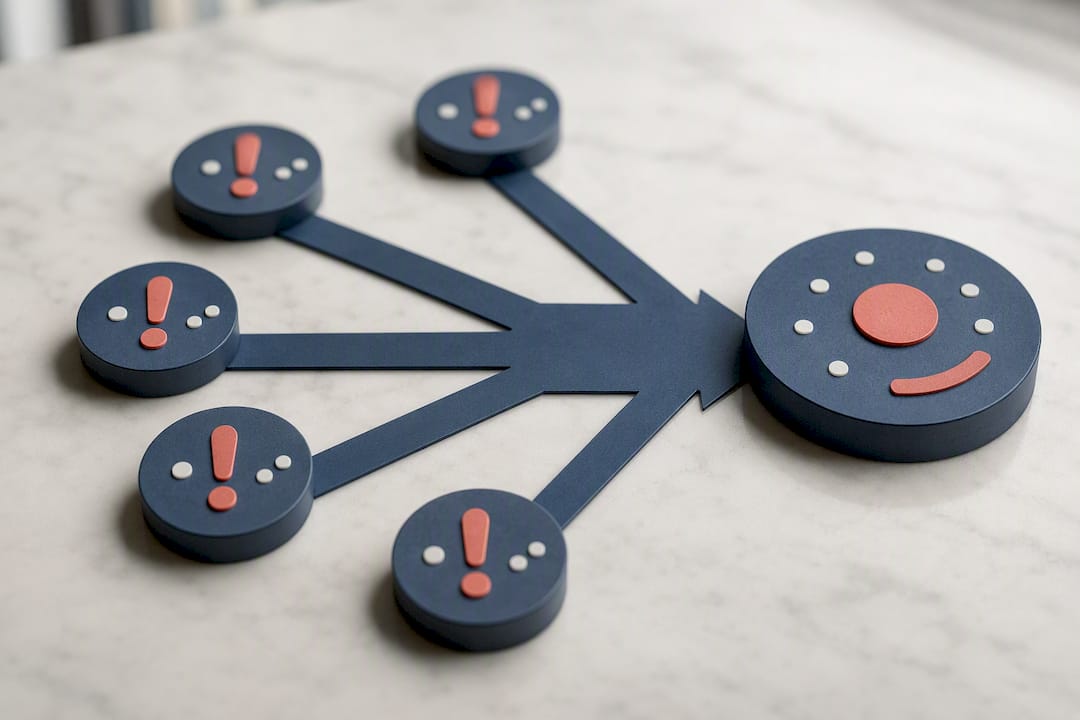
Pull your last 20 negative reviews and cluster them by friction point. Most businesses find the clusters collapse into two or three choke points, like check-in delays, unclear pricing, or a specific shift with inconsistent service, according to RelinkAI’s review-pattern analysis. Rank each cluster by frequency times severity, and fix the highest-scoring one first.
Common fixes worth testing:
- A short coaching module for the specific failure point, not general “customer service training”
- A QA checkpoint added right before the moment guests or customers usually complain
- Rewritten product or service descriptions that stop overpromising
- Schedule adjustments so the understaffed shift gets backup
- A handoff checklist for tasks that fall between two employees or systems
This only works as a sustainable fix if reputation work stays tied to operations. Medallia’s research on review response makes the point plainly: teams that only manage the public conversation, without fixing the underlying process, are doing damage control, not prevention. Run the same weekly audit going forward and check whether the fix actually moved the number of related complaints. If it didn’t, you fixed the wrong thing. Property managers can find more structural fixes in this guide to avoiding common accommodation management mistakes.
How Do You Ask for Reviews Without Triggering Platform Suppression?
Ask every customer, but not the same way. Use an experience filter: after a positive interaction, route the request toward a public platform. After a resolved complaint or a lukewarm interaction, keep the follow-up private.
- Ask a quick in-person or in-app question first: “How did everything go today?”
- Route 4 or 5 star responses to your Google Business Profile or booking platform link.
- Route anything 3 stars or below into your private feedback form instead.
- Send one post-resolution request only if the issue was actually fixed, not before.
- Skip batch email blasts. Sudden spikes in review volume look unnatural to platform algorithms.
Without a system like this, the customers most likely to leave a review are the unhappy ones, since satisfied customers rarely feel compelled to write anything unprompted. Keep your review velocity steady and roughly in line with similar businesses in your area rather than trying to flood the platform in a single week.
Monitoring and Lightweight Automation That Catch Complaints in Time
Speed only helps if someone actually sees the complaint. Set up three basic layers of monitoring before you worry about anything more advanced.
- Turn on Google Business Profile review alerts and Google Alerts for your business name.
- Create a shared inbox or channel for anyone on staff to forward guest or customer mentions.
- Route high-priority alerts, anything mentioning refunds, safety, or public threats, to SMS or WhatsApp so someone sees it within the hour.
Assign ownership before you need it. Decide who checks alerts after hours and weekends, and who has authority to escalate to a manager without waiting for approval. A single-location shop can usually manage with free tools. Multi-location operators or property managers juggling several listings across platforms tend to outgrow manual monitoring fast, at which point paid sentiment-analysis tools or a dedicated reputation dashboard start paying for themselves. Digital operational tools generally close this monitoring gap better than spreadsheets, as covered in this breakdown of digital solutions for accommodation management.
When Should You Escalate a Suspicious Review?
Not every bad review is a genuine complaint. Watch for these signs of a fake or coordinated attack:
- Several one-star reviews arrive within hours from accounts with no other posting history.
- The wording repeats oddly similar phrases across different “customers.”
- Reviewers reference details, dates, or services that don’t match your actual records.
Document everything before you act: screenshots, timestamps, and your internal booking or transaction logs. File a report with the platform’s support team, since most enforce policies against reviews from people with no verified interaction with the business, and escalate formally if the reviews stay up after your first report. For large-scale or coordinated attacks that cause real financial damage, involving legal counsel or a reputation professional makes sense once platform tools have been exhausted, a step supported by NewReputation’s guidance on fake review campaigns.
Why Interception and Operational Fixes Actually Work
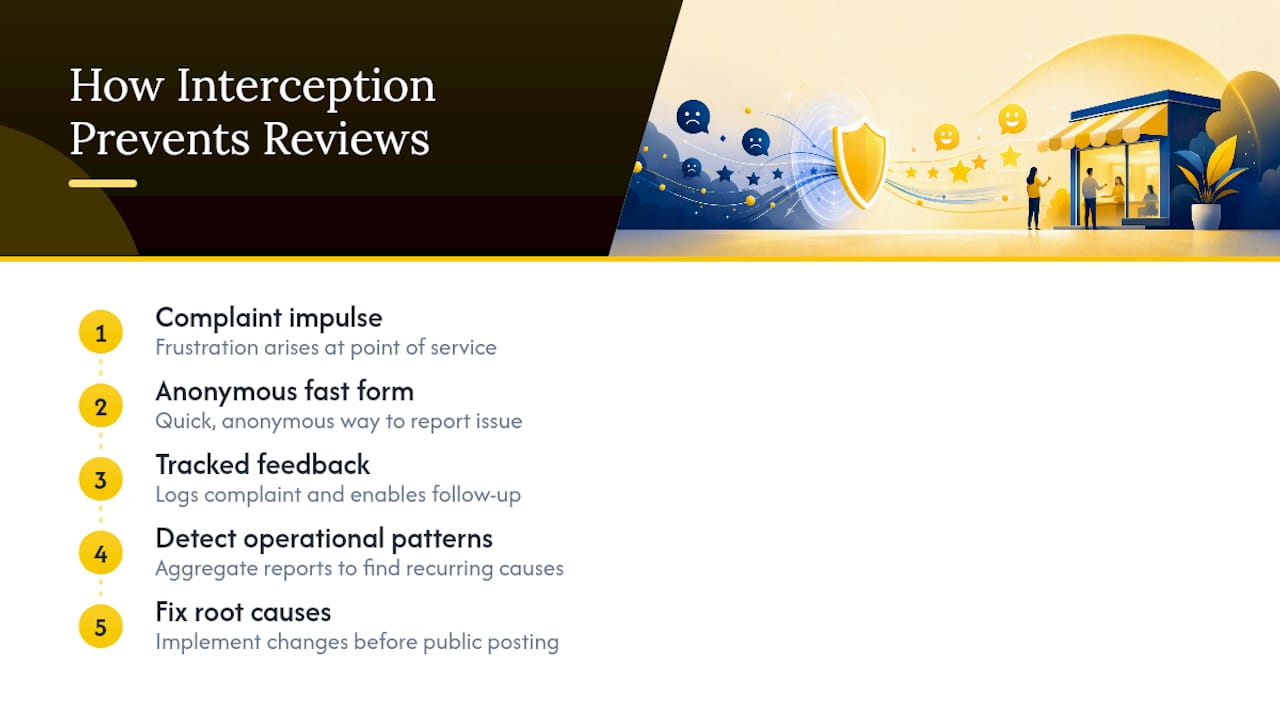
The psychology here is straightforward. Interception succeeds because it removes social friction. An anonymous, fast, tracked form meets the complaint impulse in the moment it happens, before frustration hardens into a public post. And the underlying triggers behind most negative reviews, service failures, overpromising, and disappointment, are patterns academic research on negative word-of-mouth has mapped for years. Fix the pattern, not just the post.
What Actually Moves the Number
Most reputation advice treats every negative review as a PR problem to manage. It isn’t. It’s an operations problem wearing a PR costume. My priority when I look at a business struggling with reviews is always the same: measure before you intervene. Run a 7-day intercept test with a private form, then a weekly audit clustering complaints by root cause. Commit to real SLAs, even simple ones, and share the results with your team. The businesses that improve aren’t the ones writing better apologies. They’re the ones who stopped needing to apologize as often.
— Sofía Herrera
For property managers and hosts, a lot of these friction points start before the guest even walks in, at check-in. Confusing instructions, delayed key access, or a clunky registration process generate a disproportionate share of one-star reviews in short-term rentals. A platform automates guest check-in with multilingual online forms, sends required data to SES Hospedajes in line with Real Decreto 933/2021, and connects with smart locks for self check-in that doesn’t depend on someone being available at 11 p.m. Fewer manual handoffs means fewer chances for the exact service failures that trigger negative reviews in the first place. If check-in friction is one of your recurring complaint clusters, it’s worth reviewing the factors for choosing check-in software built for exactly this problem.
Sources
- To go public or private: Handling consumer complaints from a dynamic triadic perspective | Journal of the Academy of Marketing Science
- How to Reduce Negative Online Reviews: Capture Complaints Before They Go Public | FeedSolve
- How to handle negative Google reviews | Search Engine Land guide
- How to properly respond to negative online reviews of your business | Medallia
- Negative reviews: how to handle them and reduce future risk | Shopify
FAQ
How Do You Deal With a Negative Review Once It’s Posted?
Verify it’s genuine, reply publicly within 24 to 48 hours with a short acknowledgment and empathy statement, then move the resolution to a private channel where you can gather specifics and actually fix the issue.
How Can You Prevent Fake Reviews From Damaging Your Ratings?
Watch for clusters of reviews from new accounts with no history, repetitive phrasing, or details that don’t match your records, then document the evidence and report it directly to the platform.
What’s the Best Way to Respond to Negative Online Reviews?
Keep the public reply to two or four sentences: acknowledge the issue, empathize genuinely, and invite the person to resolve it privately, matching your tone to how intense the complaint feels rather than using one script for everything.
How Do You Answer Negative Feedback Without Making It Worse?
Never reply while angry or defensive. Wait, verify what happened, and answer with a specific detail from the complaint rather than a generic apology, since specificity is what makes a reply feel genuine instead of scripted.
How Soon Should You Respond to a Negative Review?
Acknowledge private complaints within 1 to 4 hours and public reviews within 24 to 48 hours; faster acknowledgment on high-intensity complaints reduces the chance they escalate further.