

Boutique hotel branding starts with one thing: a single, defensible positioning that makes booking decisions obvious to the right guest and irrelevant to the wrong one. Everything else, your name, palette, photography, and check-in flow, exists to prove that positioning true at every touchpoint. If you do only one thing this quarter, write your positioning line and audit your booking flow and photography against it.
TL;DR:
- A clear and specific positioning statement is essential before investing in branding or visual identity; it guides all decisions and ensures consistency.
- Website and photography must demonstrate the hotel’s unique story and positioning clearly within seconds to convert visitors into direct bookings.
- Every guest touchpoint, from discovery to departure, should consistently reinforce the brand story, language, and visual identity to foster positive reviews and repeat bookings.
- Operational tools like automation should match the brand’s personality and support a seamless guest experience without undercutting the brand promise.
- Tracking metrics such as rising average daily rate and increasing direct bookings indicates that branding efforts are effectively resonating with guests.
Table of Contents
- What Boutique Hotel Branding Actually Means
- Positioning: Who You Are For and Why It Matters
- Visual and Verbal Identity: The Elements That Must Align
- Designing the Guest Experience Across Key Touchpoints
- Digital Presence and Website: Where Identity Turns Into Bookings
- Professional Photography and the Assets That Sell the Stay
- Implementation Plan: Timeline, Budget, and Who to Hire
- Measuring Success: KPIs and Signals Your Brand Is Working
- How Operations Technology Supports Brand Delivery
- Brand Story and Narrative Development
- Local Culture and Community Integration in Branding
- Sustainability and Ethical Branding Practices
- Brand Partnerships and Collaborations
- What Rebranding Boutique Hotels Actually Teaches You
- An Adjacent Move: Automation That Protects Your Brand Promise
- Sources
- FAQ
What Boutique Hotel Branding Actually Means
A hotel brand is not a logo or a color story pinned to a mood board. It is a system that makes a property feel distinct, credible, and worth choosing before a guest ever arrives, and that system directly shapes pricing power and direct bookings. For an independent property competing against chain loyalty programs and endless Airbnb listings, that system has to work harder per square foot than it does for a 400-room flag hotel.
Most owners treat branding as decoration: pick a name, hire a designer, done. That sequence gets the order backward. Brand strategy has to precede execution, because strategy is what tells the designer who you serve, what emotional payoff you’re selling, and how you differ from the three other boutique properties in your neighborhood, according to hospitality consultants at Hotel Development Guide. Skip that step and you get a beautiful hotel that could be anyone’s hotel.
This is also where “unique hotel identity” earns its keep as more than a buzzword. Identity without positioning is just style. Positioning without identity is just a strategy memo nobody feels when they walk through the door. Boutique hotel branding done right fuses both, and the fusion point is the guest experience itself, not the marketing deck.
Positioning: Who You Are For and Why It Matters
Every branding decision downstream, from typography to towel weight, gets easier once you can finish this sentence: “We give [guest type] a [emotional outcome] by [proof].” A property serving remote workers on extended stays might write: “We give digital nomads a productive home base by pairing fast Wi Fi with a communal kitchen designed for solo cooking, not banquets.” A restored farmhouse near vineyards might say: “We give anniversary travelers a slower kind of luxury by limiting the property to six rooms and serving dinner only when guests request it.”
Notice what neither example does: claim to serve “everyone who loves boutique hotels.” That phrase is a positioning failure disguised as inclusivity. The competitive frame matters as much as the guest type. Are you positioned against big-brand consistency, against generic vacation rentals, or against a rival boutique three blocks away with a bigger marketing budget?
A few prompts to force specificity:
- Name the guest you would turn away if they asked for something off-brand (a spa hotel declining a stag party, for instance).
- State the one proof point competitors cannot copy quickly (a chef’s family recipe, a building’s protected facade, a founder’s local roots).
- Write the emotional outcome in a word a guest would actually use in a review, not marketing language.
Visual and Verbal Identity: The Elements That Must Align
Your name, logo, palette, typography, photography direction, and copy voice are not six separate projects. They are one signal repeated six ways, and misalignment between any two of them reads as inconsistency even when guests can’t name what feels off. A hotel with a playful, funny name but a somber, minimalist photography style is sending mixed signals before a guest finishes scrolling the homepage.
Build a compact kit rather than a sprawling style guide nobody opens. A workable version includes a one-page positioning statement, a color palette with clear primary and secondary usage rules, logo lockups for different contexts, a typography scale, an image brief, and a handful of sample screens showing the identity applied to a real booking page or welcome email. That last piece matters more than most owners expect: seeing the brand applied, not just described, is what makes a small team actually use the kit.
- Name and logo should survive being shrunk to a favicon and shouted across a lobby sign.
- Palette rules should specify which color dominates versus accents, not just list hex codes.
- Copy voice should include three words you’ll never use (“luxurious” is a common one to ban) alongside three you will.
Pro Tip: Print your brand kit’s key page and tape it inside the reception desk drawer. If your front-desk staff can’t find the rules in ten seconds, the kit exists for your marketing folder, not for daily operations.
Designing the Guest Experience Across Key Touchpoints
A brand promise is only as strong as its weakest touchpoint, and that weak point is rarely the one owners worry about most. Research into hospitality servicescapes, the ambient conditions, spatial layout, signs, and physical artifacts a guest encounters, shows these material details significantly shape brand image, guest satisfaction, and word-of-mouth. A stunning website paired with a confusing arrival experience does more brand damage than a plain website paired with a flawless one.
For small teams with limited hours, prioritize the touchpoints guests remember and mention in reviews:
- Discovery. The first search result or social post has to match the eventual in-person feeling; a moody, romantic Instagram grid followed by a beige generic listing site breaks trust immediately.
- Booking. Confirmation emails should sound like the hotel, not like a booking engine’s default template.
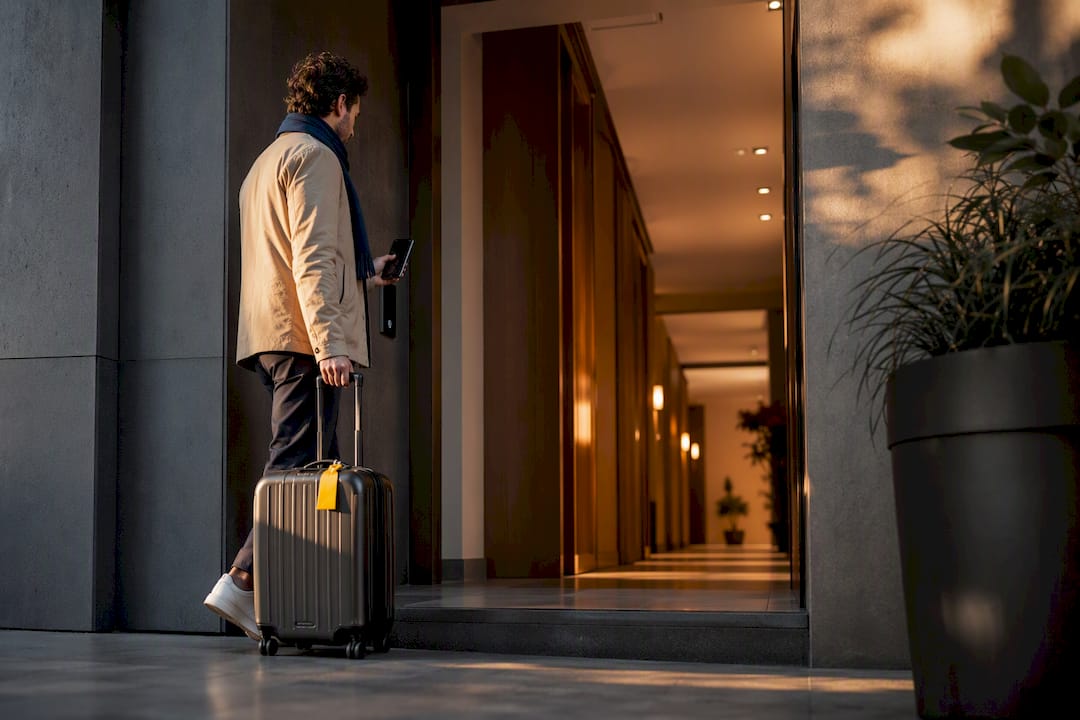
- Arrival. Script the first ninety seconds. A high-touch brand might have staff greet guests by name with a welcome drink; a convenience-focused brand might route guests straight to a smart lock with a text message waiting.
- In-room. Small rituals, a handwritten note, a local snack, a printed guide in the brand’s actual voice, do more for perceived value than expensive furniture.
- Departure. A short, specific thank-you note referencing something from the stay converts more repeat bookings than a generic survey link.
Guests who feel a consistent story from search result to send-off are the ones who leave five-star reviews using your own brand language back at you, which is the clearest signal a brand system is working.
Digital Presence and Website: Where Identity Turns Into Bookings
Your website is the place guests form and verify their brand perception before ever calling the front desk, and that verification moment determines whether they book directly or bounce to a third-party platform, as branding consultants at The Weber Co. note. A homepage that takes four scrolls to explain what kind of hotel you are is losing bookings to properties that answer that question in the first screen.
A practical homepage checklist:
- Hero imagery shows a guest actually experiencing the property, not an empty, styled room.
- The positioning line appears near the top, in guest language, not internal jargon.
- Room and package names match the brand’s verbal identity instead of generic labels like “Deluxe King.”
- Upsells (breakfast, late checkout, airport transfer) are framed as part of the experience, not add-on fees.
- Direct-booking incentives are visible without requiring a guest to hunt for them.
Content that reinforces positioning works better for search visibility than generic hotel copy, too. A guide to the neighborhood written in your brand’s voice, or a page explaining the story behind your restoration, gives search engines and human readers the same specificity that makes your positioning line credible in the first place.
Professional Photography and the Assets That Sell the Stay
Photography is the highest-leverage investment most boutique properties underfund. Weak or generic photography sets the wrong expectation before a guest ever books, and mismatched expectations are what generate the reviews that hurt you most. A useful shot list for a single art-directed session: one hero image with a guest genuinely in the space, a documented arrival sequence, an editorial-style room set, close detail stills of bathroom fixtures, bedside styling, and a local artifact, plus two lifestyle sequences shot specifically for social formats.
- Brief the photographer on your positioning line before the shoot, not the color palette.
- Request both finished web sizes and raw files, so future edits and printed materials don’t require a second shoot.
- Reuse the same image set consistently across the website, listing platforms, and social channels so guests recognize the property before they arrive.
Implementation Plan: Timeline, Budget, and Who to Hire
Most branding rollouts, from positioning work through identity design, run roughly six to twelve weeks before website and photography production begins in earnest. Stretch that timeline and momentum stalls; compress it and you skip the strategy work that makes everything downstream easier.
- Weeks 1 to 2: Lock the positioning statement and competitive frame. No design work starts until this is written down.
- Weeks 3 to 5: Build the visual and verbal identity kit: name (if changing), logo, palette, typography, copy voice.
- Weeks 6 to 8: Commission photography and brief the website build simultaneously so imagery and layout develop together.
- Weeks 9 to 12: Launch the website, retrain front-desk scripts, and update every listing platform to match the new voice.
Smaller properties with limited budgets should spend first on photography and booking-flow clarity, the two assets guests interact with before deciding anything else. Logo refinement and elaborate print collateral can wait. When hiring, prioritize a freelance brand strategist or small studio over a large agency for the strategy phase; agencies earn their fee later, in production and website build, where scale and process matter more.
Measuring Success: KPIs and Signals Your Brand Is Working
Track average daily rate (ADR), RevPAR, and the ratio of direct bookings to third-party bookings before and after a branding change. A rising ADR alongside stable occupancy suggests guests are paying for perceived value rather than just availability, which is exactly what a sharper positioning is supposed to buy you.
- Watch review language for repeated phrases that echo your brand voice back at you; that’s a sign guests absorbed the story you told them.
- Track repeat-booking rate as a slower but more honest signal than review volume alone.
- Run a 90-day test on one variable at a time: new hero photography, a rewritten homepage headline, or a revised arrival script, and compare direct-booking conversion before and after.
Pro Tip: Change only one guest-facing element per 90-day window. Stacking a new website, new photography, and new staff scripts at once makes it impossible to know which change moved the numbers.
How Operations Technology Supports Brand Delivery
The technology you choose for check-in, guest communication, and upsells should match your brand’s personality, not just its compliance requirements. A convenience-positioned property benefits from frictionless self-check-in and a smart lock; a high-touch, relationship-driven property should reserve arrival for a human moment and automate everything happening before and after it instead.
- Multilingual digital guest guides keep tone consistent even when a guest doesn’t share your staff’s first language.
- Scheduled arrival messages sent in the brand’s actual voice do more for perceived attentiveness than a generic platform notification.
- Digital upsell flows let guests buy the extras that fit your positioning without a staff member having to pitch them awkwardly at check-in.
Automating the repetitive parts of guest communication, done well, reduces the errors and inconsistency that quietly undercut a brand promise: missed messages, duplicated registrations, or mismatched arrival instructions across booking platforms.
Brand Story and Narrative Development
Positioning tells guests what you offer. Story tells them why it exists, and story is what guests repeat to friends when a positioning statement alone wouldn’t survive a dinner-table retelling. The strongest boutique hotel stories aren’t invented taglines; they’re specific, sometimes inconvenient truths about the building, the owners, or the place that a chain hotel simply cannot claim.
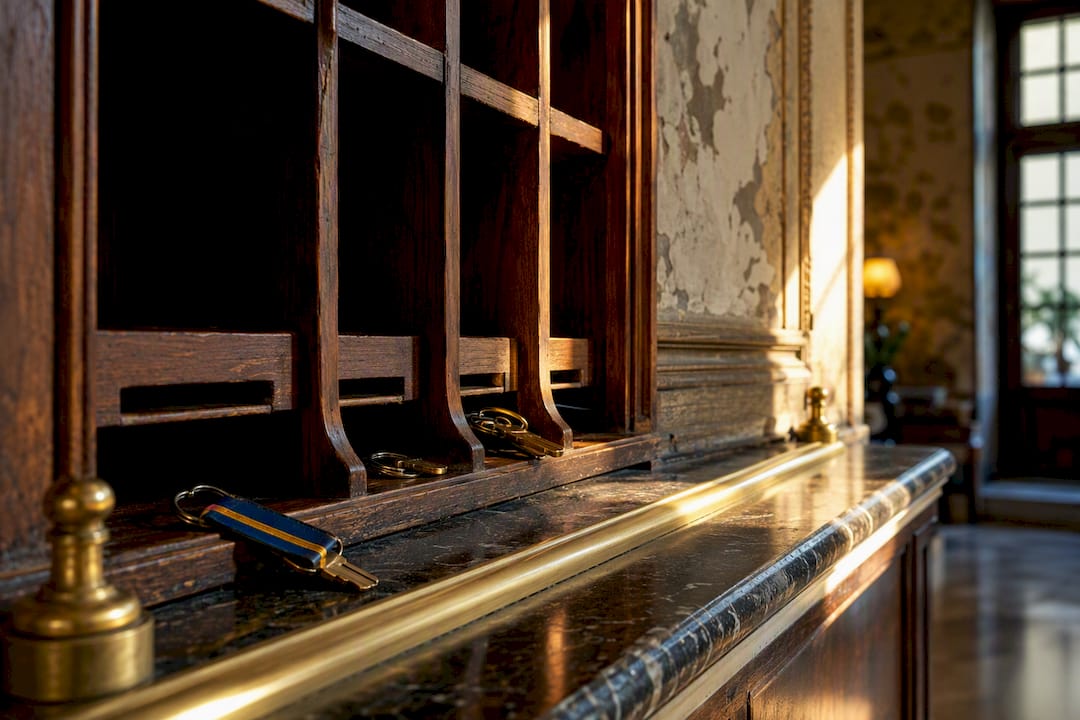
A restored 1920s post office turned into a twelve-room hotel doesn’t need an invented origin myth. The building’s actual history, the counters, the mail slots repurposed as key drops, is the story, and it only needs honest framing. A family-run property should say so explicitly rather than hiding behind corporate-sounding “we” language that erases the actual people running it.
Where owners go wrong is treating story as a single “About Us” page rather than a thread that shows up everywhere: in room names drawn from local history, in a welcome note that references the building’s past, in a website headline that leads with the specific rather than the generic. A story repeated in fragments across touchpoints lands harder than one paragraph buried on a page nobody reads.
Be wary of manufacturing a story that doesn’t hold up under a guest’s second question. If your “locally sourced” claim collapses when a guest asks which farm, the story becomes a liability instead of an asset. Boutique guests, more than most travelers, tend to ask the follow-up question.
Local Culture and Community Integration in Branding
A boutique hotel that could be swapped into any city without changing a word of its marketing has already lost its strongest advantage over chain competitors. Local integration is not a lobby mural of the skyline; it’s structural, showing up in sourcing, staffing, partnerships, and the experiences you build into a stay.
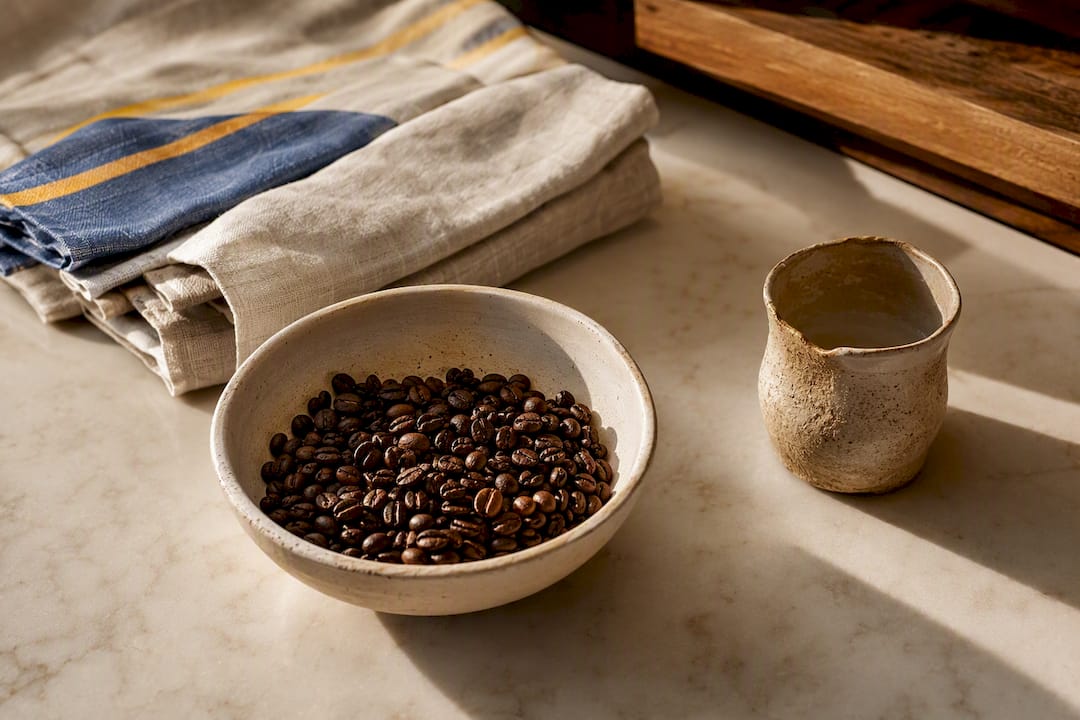
Practical integration starts with who supplies your property. A coffee roaster two streets away, a linen maker in the region, a chef trained in a local culinary tradition, each becomes both an operational choice and a brand asset worth naming on your website and in-room materials. Guests increasingly book boutique properties specifically to avoid the placeless feeling of international chains, and local sourcing is the most credible way to deliver on that expectation.
Staffing matters just as much as sourcing. A concierge who has lived in the neighborhood for twenty years is a brand asset a corporate hotel with rotating regional managers cannot replicate. Give that person room to recommend real places, not just the paid partners that show up in a corporate app.
Community integration also means participating in local events, festivals, and causes without treating them as marketing opportunities. A hotel that sponsors a neighborhood market because it genuinely uses that market for its kitchen reads differently than one that shows up only when there’s a camera. Guests, and increasingly search engines evaluating local relevance, both notice the difference between authentic integration and performative local branding.
Sustainability and Ethical Branding Practices
Sustainability claims in boutique hospitality carry real risk when they outpace reality. A single reused-towel card in the bathroom does not constitute a sustainability program, and guests researching boutique stays are often sophisticated enough to notice the gap between claim and practice.
Build sustainability into brand messaging only where it’s operationally true. If you’ve genuinely reduced water use, sourced renewable energy, or eliminated single-use plastics, say so specifically, with numbers where you have them, rather than leaning on vague terms like “eco-friendly” that regulators and guests alike increasingly distrust. Specificity is what separates a credible sustainability position from greenwashing: “our linens are washed in a facility using recycled graywater” reads as fact; “committed to the planet” reads as filler.
Ethical branding extends beyond environmental claims to labor and sourcing transparency. Guests booking a boutique stay over a chain are often making an implicit bet that the smaller property treats its staff and suppliers better. Naming your staffing practices, fair-wage commitments, or local employment numbers, when true, turns an assumption into a stated brand fact.
The safest approach ties every sustainability or ethics claim to something a guest could verify if they asked the front desk directly. If a claim embarrassed you under that question, it doesn’t belong in your marketing yet. Treat this as a floor for credibility, not a ceiling on ambition: start with what’s true today, expand the claims as the practice catches up.
Brand Partnerships and Collaborations
A well-chosen partnership can extend a boutique hotel’s brand reach faster than any solo marketing effort, but the wrong one dilutes the very specificity that makes boutique branding work in the first place. The test is simple: does this partner’s brand story reinforce yours, or does it just bring foot traffic at the cost of coherence?
Local partnerships tend to work best because they double as community integration. A joint package with a nearby vineyard, a co-branded dinner with a chef who has no permanent restaurant, or a discount arrangement with an independent bookstore all extend the story you’re already telling rather than bolting on an unrelated one. These partnerships also give you fresh content and photography opportunities without a full production budget.
National or brand-level collaborations, a design partnership with a furniture maker, a co-branded amenity line, can work too, but only when the partner’s own positioning matches yours closely enough that guests don’t have to reconcile two different brand voices in the same room. A minimalist, quiet-luxury property partnering with a loud, mass-market amenity brand creates the same kind of dissonance as a mismatched logo and photography style.
Track partnerships the same way you’d track any other brand touchpoint: does the collaboration show up in guest reviews in a positive way, and does it generate bookings you can attribute to it? A partnership that generates press but no measurable booking lift is a marketing exercise, not a branding win.
What Rebranding Boutique Hotels Actually Teaches You
The three failures I see most often: owners redesign the logo before writing the positioning statement, they hire a photographer before deciding what the photos need to prove, and they change everything at once so no single decision can be evaluated on its own merits.
A faster gut check: can you write your positioning line in one sentence? Would a guest describe your hotel using your own brand words? Does your homepage hero image match that sentence? Does your booking confirmation email sound like a human who works there? Would your front desk staff know the answer to any of these without checking a document?
If you answered no to more than one, don’t rebrand yet. Fix your photography and booking flow first. Those two levers move revenue faster than a new logo ever will, and they reveal whether your positioning actually holds up in practice.
— Sofía Herrera
An Adjacent Move: Automation That Protects Your Brand Promise
Boutique hotel branding tends to break down not at the design stage but at the operational one, when the warm story you built gets undercut by a clunky check-in email or a compliance form guests have to fill out twice. Eurocheckin exists for that gap: it handles the legal and administrative load of guest registration in Spain so your team’s time and tone stay focused on the experience you actually branded.
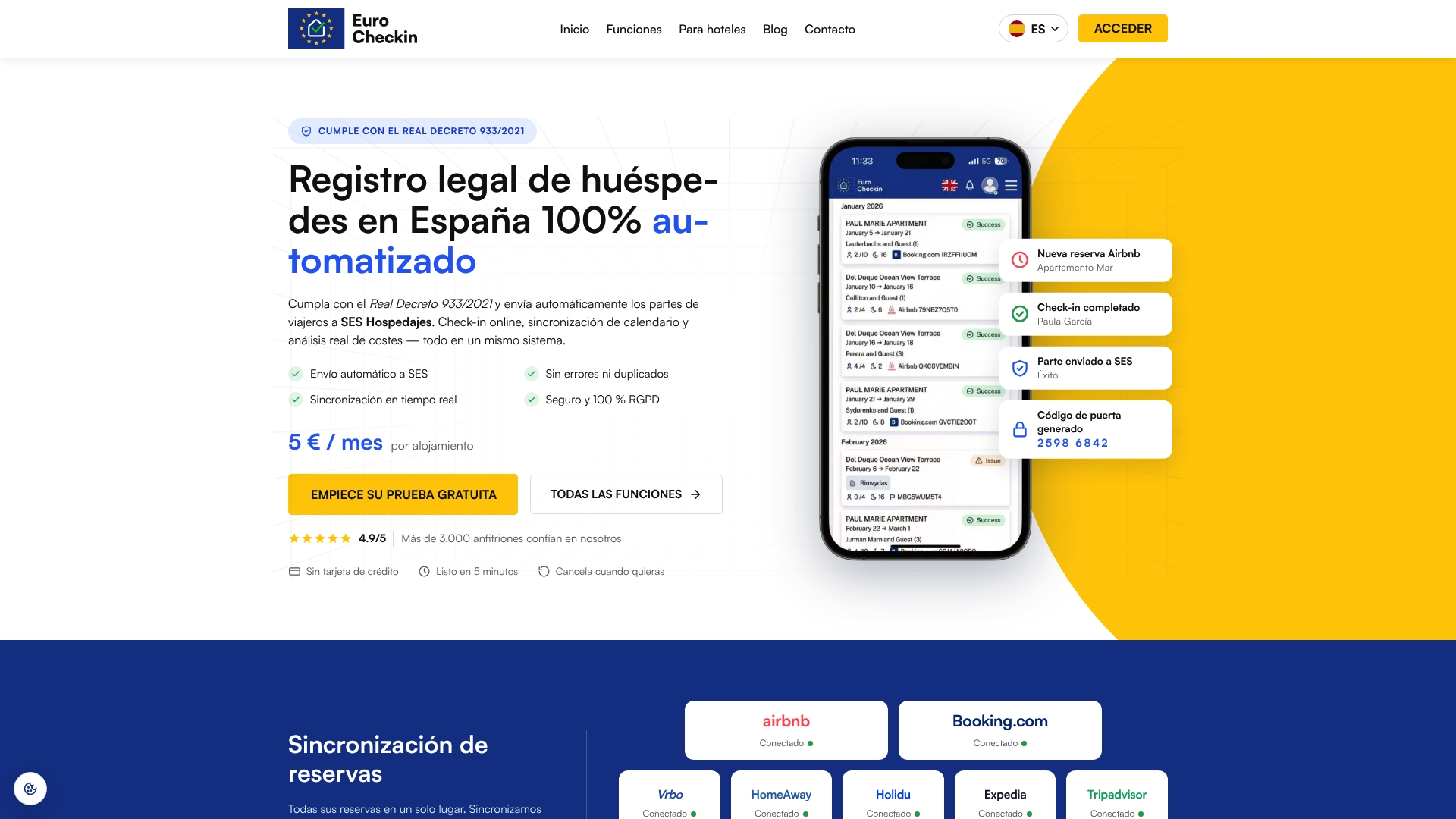
Eurocheckin automates the guest-facing paperwork, multilingual online check-in, digital contracts with e-signatures, and automatic reporting to SES Hospedajes under Real Decreto 933/2021, without a guest ever feeling like they’re filling out a government form on your website. Digital house guides and smart-lock integration with TTLock, Nuki, and Yale let a convenience-branded property offer smooth self-check-in, while a high-touch property can automate everything except the human welcome it wants to protect. Built-in upsell tools, paid instantly through Apple Pay or Google Pay, let you sell the extras your brand voice already promises, breakfast, late checkout, a welcome bottle, without a staff member breaking script to process a payment.
None of this replaces the human warmth your brand depends on; it removes the administrative friction that usually damages it. If you’re ready to see how automated check-in fits your property’s brand, start with Eurocheckin’s guide to automating traveler registration in Spain and try it with a free trial.
Sources
- What Is Hotel Branding, Really? – The YKMD
- The impact of servicescape on the brand image and brand identity of boutique hotels (Bachelor’s thesis)
- Hotel brands & concepts | Brand strategy & positioning guide - Hotel Development Guide
FAQ
What is boutique hotel branding?
It’s the full system, positioning, visual and verbal identity, and guest experience, that makes a small, independent property feel distinct and worth choosing over both chain hotels and other boutique competitors.
How much does a boutique hotel rebrand cost?
Costs vary widely by scope, but most owners should expect strategy and identity work to run roughly six to twelve weeks before website and photography production begins, with photography and booking-flow improvements as the highest-priority early investments.
What’s the biggest mistake owners make with boutique hotel branding?
Starting with a logo or name change before writing a one-sentence positioning statement, which leaves every design decision without a clear standard to be judged against.
How does technology like Eurocheckin fit into a boutique hotel’s brand?
Automating guest registration, digital guides, and compliance reporting removes administrative friction from the guest journey, letting staff focus on the higher-touch moments that actually express the brand.
What metrics show a boutique hotel brand is working?
Rising ADR alongside stable occupancy, a growing share of direct bookings versus third-party platforms, and guest reviews that echo your own brand language back at you are the clearest signals.